May 13 2026
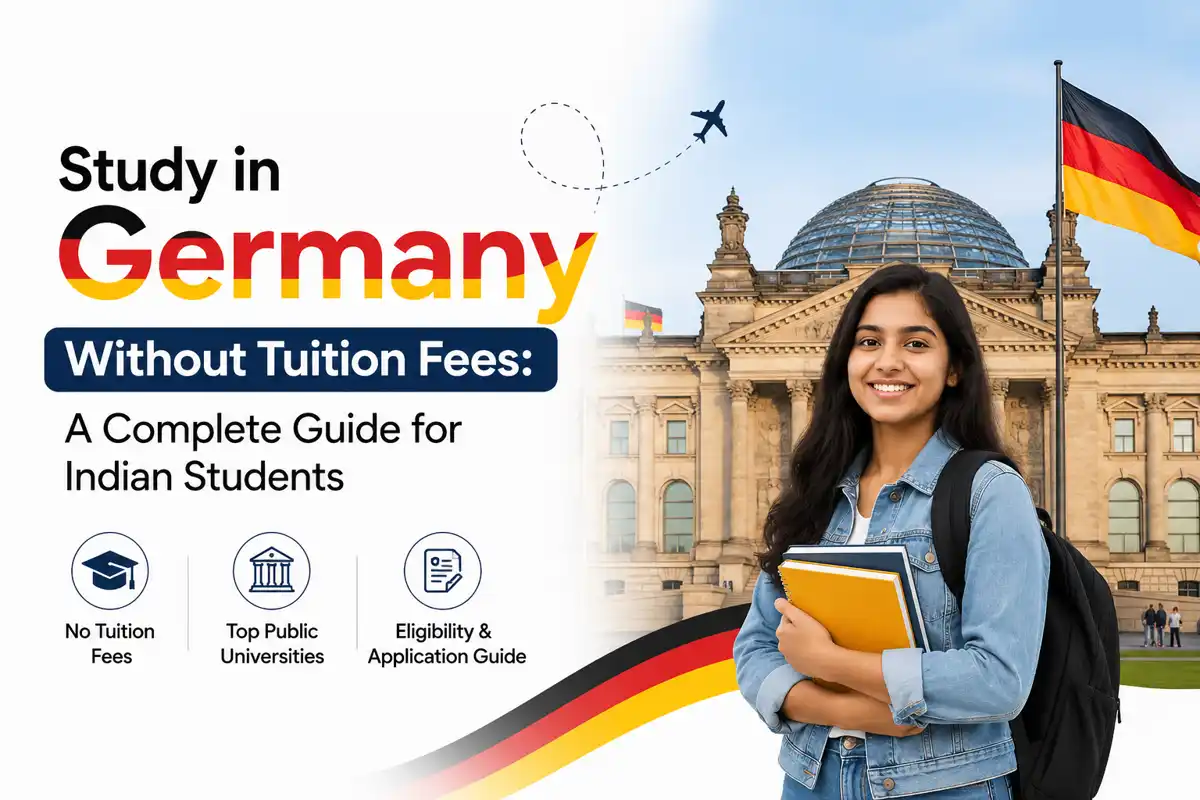
Study in Germany Without Tuition Fees: A Complete Guide for Indian Students
Imagine getting a world-class education without paying a single rupee in tuition fees! For many Indian students and parents, that possibility is becoming real through Germany's public university system. Germany has emerged as one of the most preferred destinations for affordable international education, offering globally recognized degrees with minimal or no tuition costs, even for international students. The opportunity to study in Germany without tuition fees gives students access to high-quality education, strong career opportunities and international exposure without the massive financial burden seen in countries like the US, UK or Australia. This guide helps Indian students understand affordable study opportunities in Germany for 2026. You will learn about eligibility requirements, living costs, visa procedures, APS certification, application timelines and practical tips to successfully begin your academic journey in Germany.
Why Germany Offers Free Education
The German Education Philosophy:
Germany follows a public education model where higher education is considered a social investment rather than a commercial product. Most public universities charge no tuition fees for both domestic and international students, especially for bachelor’s and many master’s programs. Students are still required to pay a semester contribution, usually between €150 and €350 per semester. This amount generally covers:
- Public transportation passes
- Student welfare services
- Administrative fees
- Campus facilities and activities
This structure makes free education in Germany realistic for students who plan carefully and manage living expenses effectively.
Eligibility Criteria for Indian Students
Indian students must meet both academic and visa-related requirements before applying.
Academic Requirements
- Strong Class 12 scores for undergraduate admission
- A relevant bachelor’s degree for master’s programs
- Recognized academic transcripts
- Program-specific entry requirements
APS Certificate Requirement
The APS certificate is mandatory for most Indian applicants. It verifies the authenticity of academic records before students can apply for a German student visa.
Language Requirements
Students can choose between English-taught and German-taught programs.
Common English requirements include:
- IELTS
- TOEFL
- PTE
German-taught programs may require:
- TestDaF
- DSH certification
- Goethe certification
In 2026, universities continue to increase English-taught master’s programs, especially in STEM and business fields.
APS Processing Time for Germany in 2026
The APS certificate remains a mandatory requirement for most Indian students applying to German universities and student visas. In 2026, APS processing timelines can vary depending on application volume and document accuracy.
Expected Processing Timeline
Most students currently experience APS processing times ranging between:
- 4 to 10 weeks for standard applications
- Longer delays during peak admission seasons
Common Reasons for Delays
APS applications may take longer because of:
- Incomplete academic documents
- Incorrect application details
- Delayed verification responses from institutions
- High seasonal application volumes
Why Document Accuracy Matters
Students should carefully check:
- Name consistency across documents
- Academic transcript accuracy
- Passport details
- Proper document uploads and formatting
Even small documentation errors can delay APS approval and affect university or visa timelines, making early preparation extremely important for 2026 applicants.
Real Cost Breakdown: Living Expenses in 2026
Although public universities offer low or zero tuition fees, students still need proper financial planning for daily living expenses in Germany. Compared to countries like the US or UK, Germany remains significantly more affordable for Indian families.
Monthly Living Costs (2026)
- Accommodation: €300-500 for shared apartments or student dormitories
- Food and groceries: €200-250
- Health insurance: Around €110 (mandatory for international students)
- Transportation: €0-50, often included through the semester contribution ticket
- Miscellaneous expenses: €100-150
Estimated monthly budget:
- €800-1,000 per month
- Approximately INR 70,000-90,000 depending on the city and lifestyle
Annual Budget Estimate
- Living expenses: €9,600-12,000 (approximately INR 8.5-10.5 lakhs)
- Semester contribution: €300-700 annually
- Total estimated yearly cost: Around INR 9-11 lakhs, far lower than the INR 25-40 lakhs often required in the US or UK
One-Time Initial Costs
- German student visa fee: €75
- Blocked account requirement: €11,904 as mandatory proof of funds
- Flight tickets from India: INR 40,000-60,000
- Initial settlement expenses: INR 50,000-1 lakh
Cost-Saving Tips for Indian Students
- Choose student dormitories instead of private apartments
- Cook meals at home to reduce monthly expenses
- Use student discounts for transport, entertainment and shopping
- Explore part-time work opportunities allowed under German student regulations
Understanding the real living costs in Germany helps students build a realistic financial plan before beginning their studies abroad.
Scholarship Opportunities for Indian Students
In addition to low or zero tuition fees, international students can also apply for scholarships to reduce living and accommodation expenses in Germany.
Popular options include:
- DAAD Scholarships for international students
- Deutschlandstipendium merit-based funding
- Erasmus+ exchange and mobility scholarships
- University-specific research and excellence scholarships
These opportunities can help students manage accommodation, living expenses and academic costs more comfortably while studying in Germany.
Best Cities in Germany for Indian Students
Choosing the right city in Germany can affect your living costs, student experience, part-time job opportunities and career exposure. Each city offers different advantages depending on your field of study and budget.
Berlin
Berlin is popular for its international environment, startup culture and strong opportunities in technology, business and creative industries.
Munich
Munich is well known for engineering, automotive and research opportunities. It offers excellent career exposure but comes with higher living costs.
Aachen
Aachen is a preferred choice for engineering students because of RWTH Aachen University. The city is more affordable and strongly student-focused.
Frankfurt
Frankfurt is Germany’s financial hub and ideal for students interested in finance, economics and business-related programs.
Hamburg
Hamburg offers a relaxed and student-friendly lifestyle while also providing opportunities in sectors like logistics, media and renewable energy. Many international students prefer the city for its good public infrastructure and balanced pace of life.
Top Tuition-Free Universities
Germany hosts some of the world’s most respected public universities known for academic excellence and research innovation.
Popular institutions include:
- Technical University of Munich (TUM)
- Heidelberg University
- RWTH Aachen University
- Ludwig Maximilian University of Munich
- University of Freiburg
These institutions are among the leading German tuition-free universities attracting international students each year.
Popular Programs in 2026
- Artificial Intelligence
- Mechanical Engineering
- Automotive Engineering
- Data Science
- Business Analytics
- Public Health
- Renewable Energy
- Economics and Social Sciences
Many students now prefer Germany because of strong industry connections and research-focused education.
H2 : Step-by-Step Application Process
H3 : Timeline: Start 12-18 months before intake
The overall process generally takes 12 to 18 months depending on the intake and visa timelines.
Major Intakes in 2026
- Winter Intake (September/October), the primary intake with maximum course availability
- Summer Intake (March/April), available for selected programs
Application Timeline for 2026
- 12-18 months before intake: Research universities and eligibility
- 10-12 months before intake: Prepare IELTS, TestDaF or other exams
- 8-10 months before intake: Apply through university portals or Uni-Assist
- 6-8 months before intake: Receive admission letters and arrange finances
- 3-5 months before intake: Open a blocked account and apply for a visa
- 1-2 months before intake: Finalize accommodation and travel
Main Application Steps
- Shortlist programs and universities
- Prepare academic documents
- Obtain APS certificate
- Apply through the Uni-Assist portal where required
- Secure admission offer
- Apply for a German student visa
External Link Placeholder: Uni-Assist Portal
The structured process makes studying in Germany more transparent for Indian students than in several other destinations.
Language: English or German?
Germany offers a growing number of English-taught programs, especially at the postgraduate level.
English-Taught Programs
Advantages:
- Easier transition for international students
- Strong availability in STEM and business
- No advanced German required initially
German-Taught Programs
Advantages:
- Better integration opportunities
- Improved networking with local employers
- Wider course availability in public universities
Even students in English-taught programs benefit greatly from learning basic German for internships, part-time work and social integration.
Working While Studying & Career Prospects
International students in Germany can work while studying under regulated work limits.
Current student work rules generally allow:
- 120 full working days per year
- Or 240 half-working days per year
Germany also provides an 18-month post-study residence permit for graduates searching for employment.
This pathway is one reason many students consider free education in Germany a high-return investment.
Industries actively hiring graduates include:
- Engineering
- Automotive manufacturing
- IT and software development
- Healthcare
- Renewable energy
- Logistics and supply chain
Challenges & Success Tips
While Germany offers strong advantages, students should also prepare for realistic challenges.
Common Challenges
- Administrative bureaucracy
- Delays in accommodation search
- Cold weather adaptation
- Competitive university admissions
- Language barriers outside major cities
Practical Success Tips
- Start the application process early
- Keep financial documentation organized
- Learn basic conversational German
- Apply to multiple universities
- Research accommodation before visa approval
- Build networking and internship experience during studies
Students who plan carefully often experience better academic and career outcomes in Germany.
The Verdict: Is It Worth It?
Germany is an excellent choice for students seeking high-quality international education without excessive financial pressure. It is especially suitable for:
- Budget-conscious students focused on long-term value
- STEM and engineering aspirants
- Students open to learning German for better integration
- Those interested in European work and career exposure
However, students may consider other destinations if they:
- Prefer complete English-speaking environments immediately
- Are uncomfortable with colder weather conditions
- Want a simpler or faster admission and visa process
For students willing to plan carefully, Germany continues to offer one of the strongest returns on investment in international education.
Frequently Asked Questions
Are all German universities tuition-free?
Most public universities are tuition-free, but some specialized programs and private institutions may charge tuition.
How much money is needed for a blocked account?
Students generally need around €11,904 for the blocked account requirement in 2026.
Can I study completely in English?
Yes. Many universities offer English-taught programs, especially for master’s degrees.
What is the APS certificate?
It is a mandatory academic verification process for Indian students applying to German universities.
Can I get a PR after studying?
Germany offers long-term work and residency pathways for eligible graduates who secure employment.
Conclusion
For Indian families looking for affordable global education, the opportunity to study in Germany without tuition fees continues to stand out in 2026. With strong public universities, career-focused programs and long-term employment pathways, Germany remains one of the most practical choices for international education. The combination of Germany's tuition-free universities and structured post-study opportunities creates strong value for students willing to prepare properly. As more families explore studying in Germany for Indian students, early planning, financial preparation and accurate documentation are becoming increasingly important. With increasing competition and evolving visa requirements in 2026, expert guidance can significantly reduce application errors and delays. Berakahelite helps students navigate university selection, APS processing, visa preparation and application strategy with expert guidance for 2026 admissions. Whether your goal is engineering, healthcare, business or technology, the path to affordable higher education in Germany becomes far more manageable with the right support.

Recent updates

AI Is Changing University Admissions: How Students Can Build an Application That Still Stands Out
September 23 2026
Scholarships for Indian Students in 2026: Funding Opportunities You Should Know About
September 23 2026
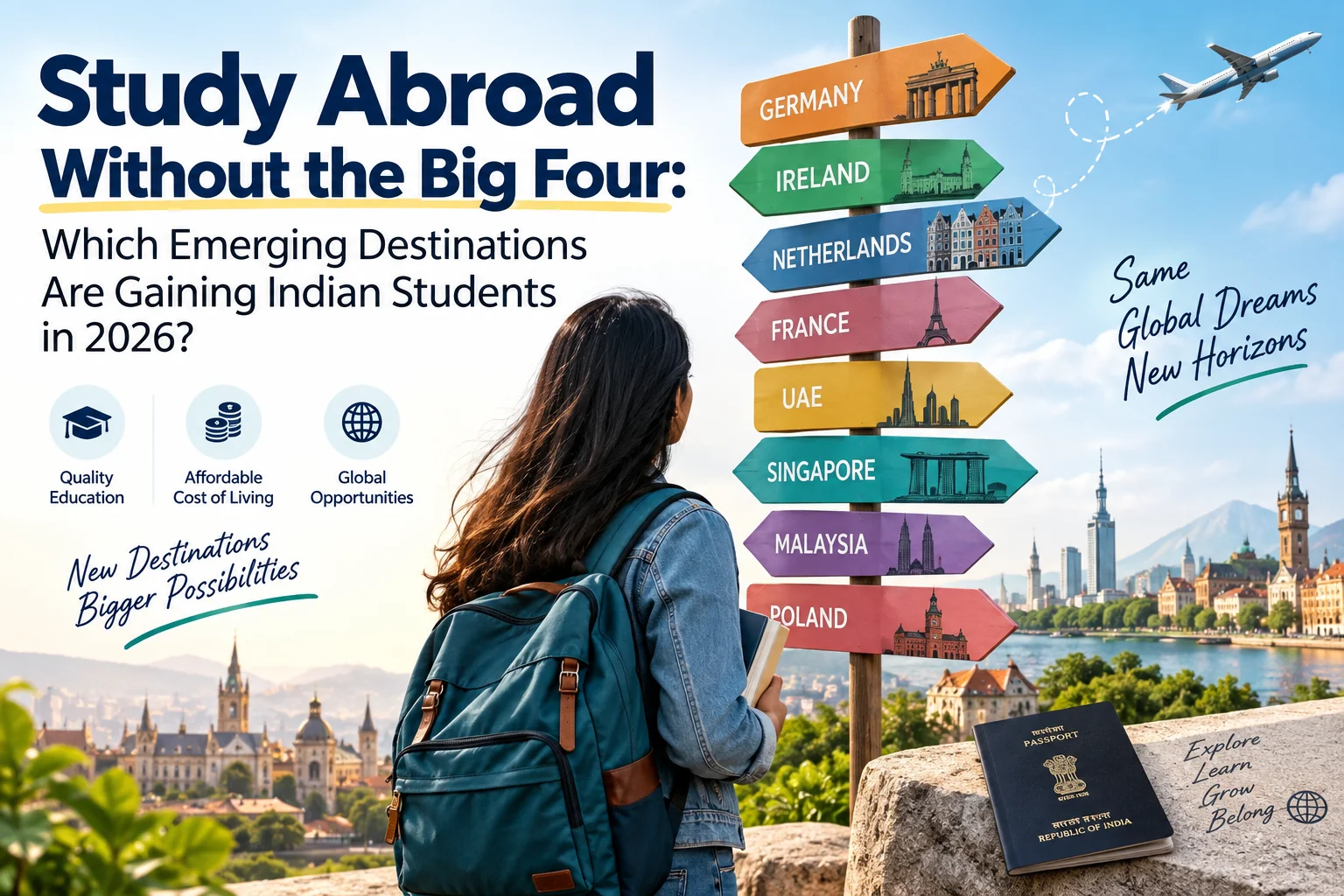
Study Abroad Without the Big Four: Which Emerging Destinations Are Gaining Indian Students in 2026?
September 17 2026

Green Jobs Abroad in 2026: Which Degrees Can Lead to Careers in Renewable Energy, ESG & Climate Tech?
September 16 2026
Student Visa Rules in 2026: Latest Updates Every Indian Student Should Know
August 10 2026

Best Cities in New Zealand for Indian Students in 2026: Jobs, Rent, Student Life & Part-Time Opportunities
August 6 2026

AI-Proof Careers Abroad: Degrees That Will Stay Relevant Beyond 2030
July 13 2026
Global Talent Shortage Report 2026: Courses Leading to the Highest-Demand Jobs Abroad
July 11 2026

Study Abroad vs Skill-Based Migration: Which Route Offers Better Career Growth in 2026?
July 8 2026