April 13 2026
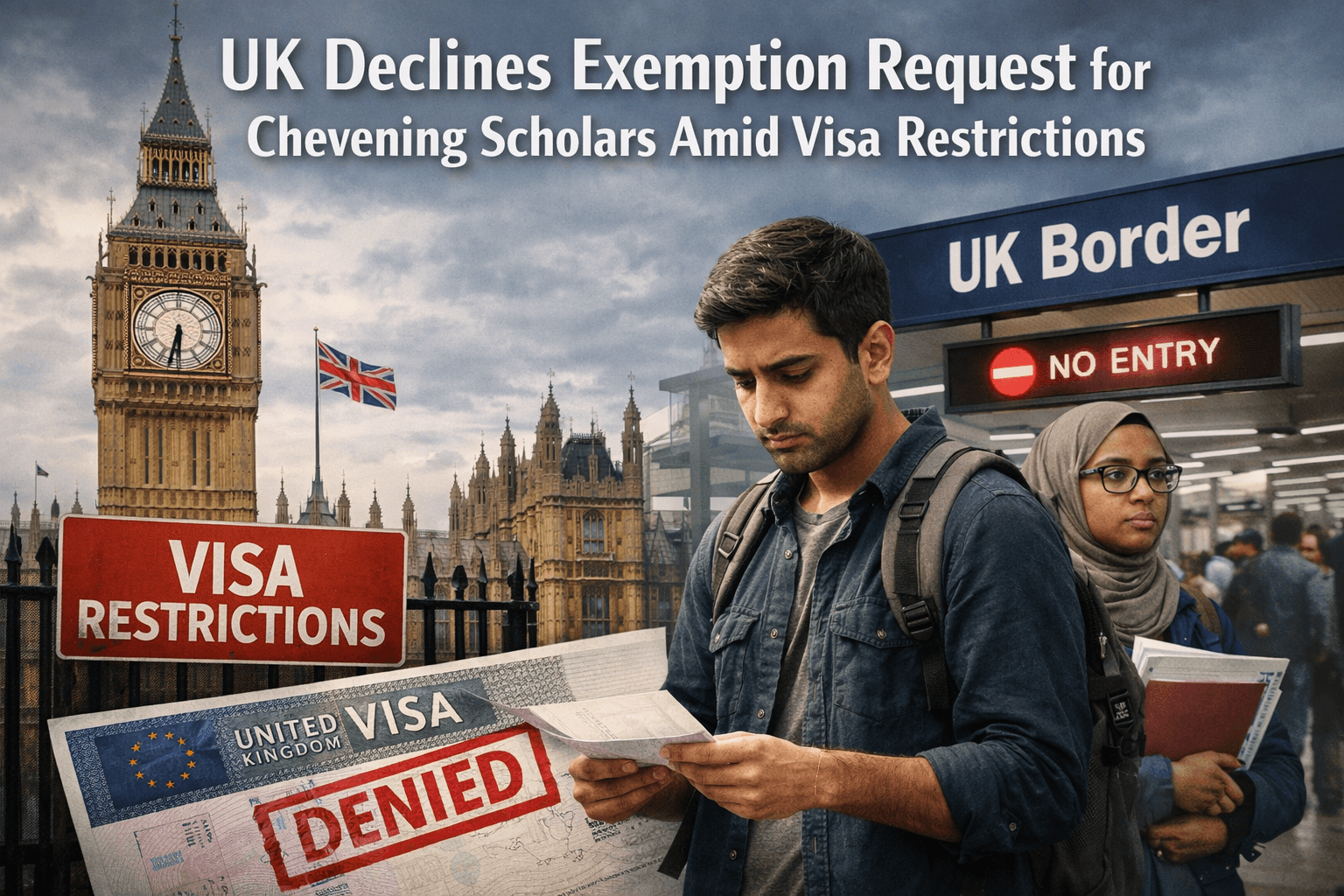
UK Declines Exemption Request for Chevening Scholars Amid Visa Restrictions
The UK government has formally rejected requests to exempt Chevening scholars from its newly introduced student visa restrictions, reinforcing a stricter stance under evolving UK Home Office immigration rules students must navigate.
Policy Decision and Context
The decision comes amid broader UK student visa ban Chevening scholars affecting applicants from Afghanistan, Cameroon, Myanmar and Sudan. The Home Office introduced what it calls an “emergency brake” to suspend visa routes, citing concerns that student visas were increasingly being used as a pathway to claim asylum.
Despite appeals from senior officials, including the Foreign Secretary, the government chose not to create exceptions for Chevening scholars, a prestigious and government funded scholarship programme designed to attract global talent.
No Special Treatment for Chevening Scholars
The rejection signals a clear policy stance: no exemptions within the current visa framework, even for high achieving candidates. Chevening scholars, who are typically required to return to their home countries after completing their studies, were previously seen as low-risk applicants. However, the government maintained that uniform enforcement is necessary to prevent misuse of visa routes.
This move has resulted in the cancellation or suspension of multiple scholarship applications from affected countries, effectively blocking access to UK education for many qualified candidates.
Rising Criticism and Concerns
The decision has triggered strong criticism across academic and policy circles. Critics argue that the policy:
- Undermines the UK’s global education reputation
- Disrupts long standing academic and diplomatic ties
- Disproportionately affects students from conflict affected regions
Experts and former scholars have also highlighted the humanitarian angle, particularly in the context of UK visa suspension Afghanistan Sudan students, where access to education, especially for women, is already severely restricted in countries like Afghanistan.
Impact on Global Students and Indian Applicants
For international students, including those from India, the development introduces a layer of uncertainty around study abroad UK plans. While India is not directly affected by the visa ban, the broader policy shift signals tighter scrutiny and changing immigration priorities.
Key implications include:
- Increased unpredictability in visa approvals
- Need for backup study destinations and scholarship options
- Greater emphasis on staying updated with UK immigration policy changes
Bigger Picture: Immigration vs Education
The UK government’s move reflects a growing global trend where immigration control is beginning to intersect more aggressively with higher education policy. While officials argue the changes are necessary to curb misuse, critics warn that such measures risk discouraging genuine talent and weakening international collaboration.
Conclusion
The Chevening scholarship visa cancellation UK marks a decisive change in UK immigration policy. It reinforces a stricter and risk averse approach that prioritises control over flexibility, even at the cost of limiting access to world class education opportunities.
For students and stakeholders, the message is clear: adaptability and strategic planning are now essential in global education. In this scenario, working with the right guidance partner becomes critical. Berakah Elite Pvt Ltd, recognised as the Best Abroad Study Consultancy in Kerala, supports students with comprehensive assistance, from university selection to visa strategy, helping them navigate changing international policies with clarity and confidence.

Recent updates

Rising Cost-s and Visa Concerns Make Indian Gen Z Rethink Study Abroad Plans
October 9 2026
US Universities Report Decline in International Student Applications Amid Visa Uncertainty
October 5 2026

France, Germany and UK Record Surge in International Student Enrolment as Study Abroad Preferences Shift
August 4 2026

New Zealand Relaxes Student Visa Rules, Makes It Easier for International Students to Change Courses
August 4 2026
Indian Students Moved to ‘Highest-Risk’ Category as Australia Tightens Visa Rules
May 12 2026
IELTS Withdraws from HOELT Bid Over Test Security Concerns
April 13 2026

Ireland Launches €10,000 Scholarships for International Students Starting January 29
March 3 2026
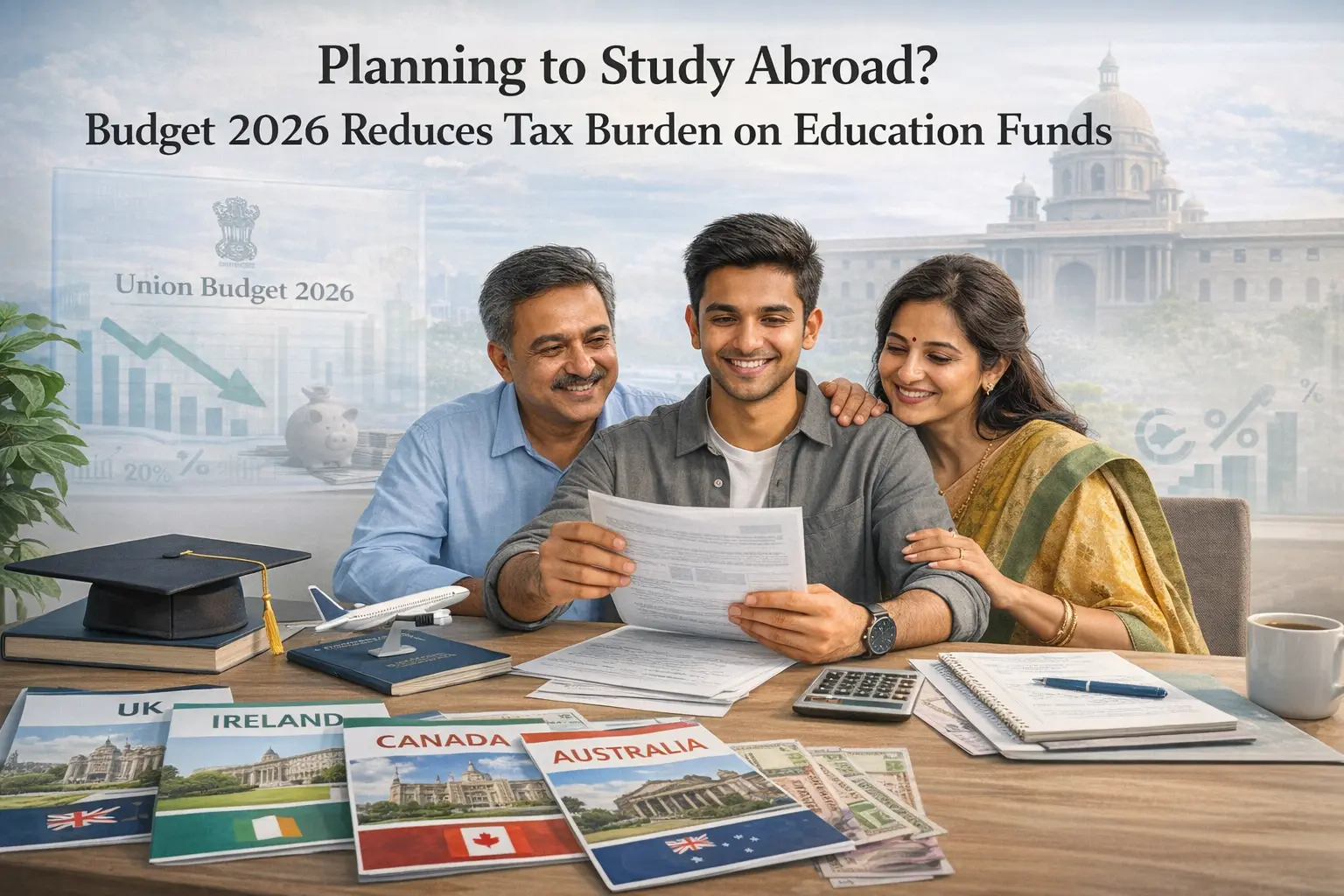
Planning to study abroad? Budget 2026 reduces tax burden on education funds
March 3 2026

UK Scholarships 2026: University of Birmingham Offers ₹13 Lakh Tuition Fee Waiver for Indian Students
February 3 2026