December 13 2025
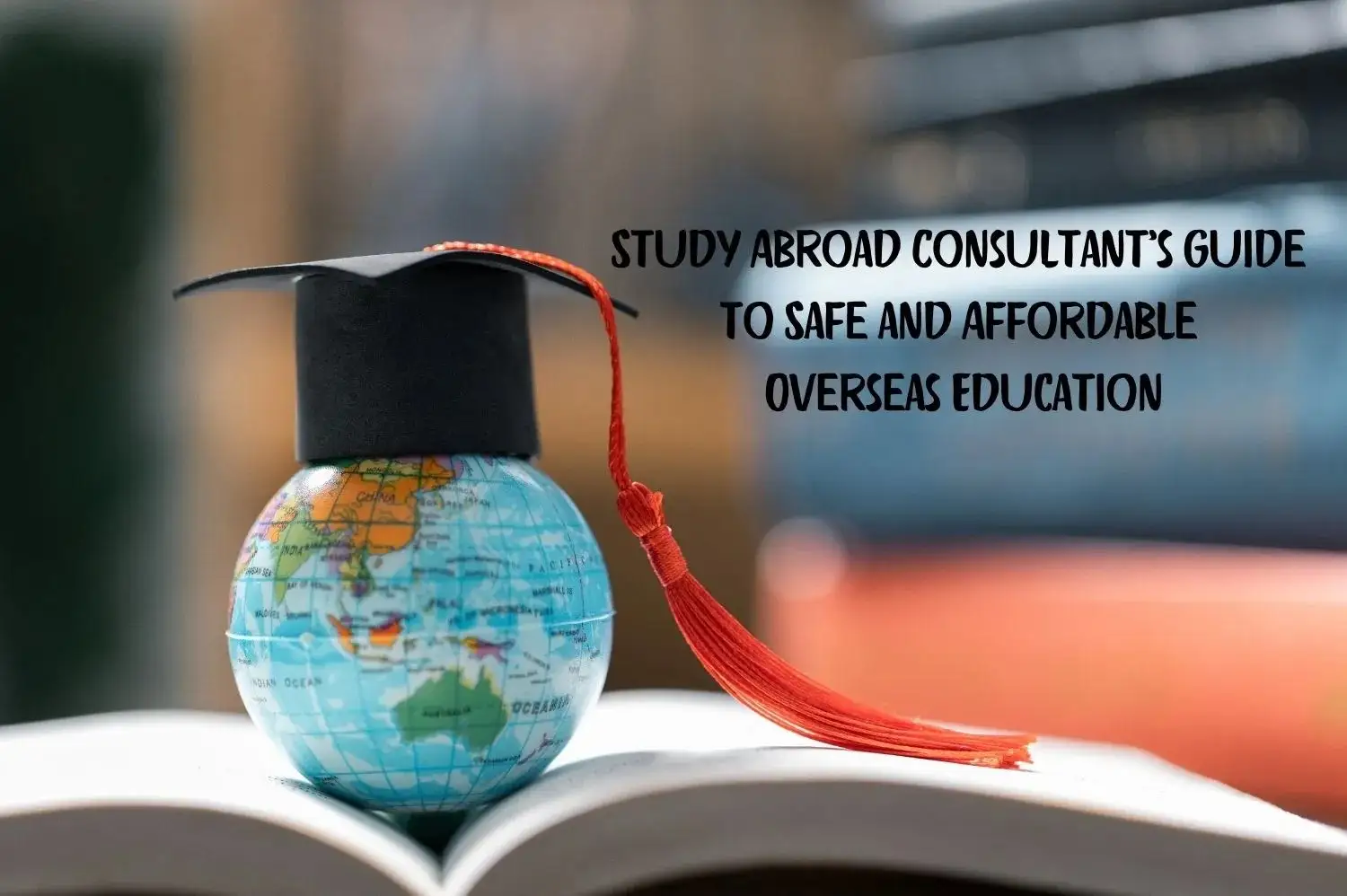
What Parents Need to Know: A Study Abroad Consultant’s Guide to Safe and Affordable Education Overseas
Today, more Indian families are exploring overseas education driven by various factors such as better career opportunities, global exposure and access to high-quality programs that match their children’s ambitions. Alongside the excitement, parents often carry genuine concerns, whether it is safe to reside and pursue education from another country. From the financial commitment to long term return on investment, doubts and concerns are endless. This study abroad Consultant’s guide for parents simplifies the entire process. You will find practical details on budgeting, preparing your child for life abroad, managing applications and selecting trusted professionals who can support your family throughout the journey.
Understanding the Study Abroad Process
The study abroad journey involves clear steps, from choosing the right program to meeting university and visa requirements. From this overseas education guide for parents, a quick understanding of this process helps to support their child effectively and ensures every stage moves forward without delays.
Overview of Study Abroad Pathway
The process starts with shortlisting the right course and country, followed by selecting universities that fit the student’s profile. Students then prepare essential documents like SOPs, LORs, transcripts and test scores. Keeping track of admission timelines, intake seasons such as Fall and Spring and platforms like UCAS or CommonApp helps ensure timely and accurate applications.
Role of Parents in the Application Stage
Parents support the application phase by providing academic records, financial stability and helping with research. They guide students in understanding realistic expectations and help them stay focused on options that match their abilities and long-term goals.
Key Factors to Consider Before Sending Your Child Abroad
Sending your child overseas requires more than picking the right university. Parents must weigh academics, safety, living costs and cultural readiness to make a balanced and confident decision. Let’s dive in.
Academic Fit & Career Outcomes
Choosing the right program is not just about rankings, it is about ensuring the course delivers strong career value. Parents should look at the expected return on investment, industry demand and employability trends for graduates in that field. Comparing course quality against university rankings helps families focus on programs that offer real-world skills and long-term growth for their child.
Safety and Well-being
Parents want to know that their children will grow up in a safe and nurturing environment. Reviewing the city’s safety index, local student friendly neighbourhoods and the university’s campus safety systems helps create that confidence. Many institutions also provide 24/7 emergency helplines and dedicated student safety teams, ensuring help is always within reach.
Cost of Living & Financial Planning
Every international destination comes with its own cost rhythm. Accommodation, food, transport and daily essentials must be carefully mapped to avoid financial surprises later. Along with routine expenses, parents should consider in health insurance, visa fees and other hidden costs that often add up. A well-planned budget based on the city’s cost of living index keeps the entire journey financially manageable.
Cultural Adaptation
Stepping into a new culture can feel exciting and overwhelming at the same time. Students can experience some cultural shock or episodes of homesickness, but with the proper guidance, they can adjust quickly. Cultural clubs, student communities and mental health support programs are provided in universities to assist students to form connections, new experiences and establish themselves in their new life with confidence.
Student Visa Requirements and Process
Getting a student visa is a key step in turning an admission offer into a real study abroad journey. Every country has a set of rules, documents and financial requirements and thus the parents have to get a clear and swift picture of what the process entails. This assists families to be ready and eliminate errors and transition between acceptance and visa approval.
Country-wise Visa Requirements
Each study destination follows its own visa rules, so understanding the basics helps parents plan ahead. The USA has an F1 Visa, the United Kingdom has the Student Route Visa, Canada has the Study Permit, Australia has the Subclass 500 and Europe or Schengen Visas have a National D Visa, which is used in long term studies. The awareness of such visa types makes families conveniently follow timelines, documents and interview requirements.
Common Documents Needed
Most countries follow a similar documentation pattern for student visas. Students need key documents such as the CAS or I-20, financial proof and bank statements, academic transcripts and English proficiency scores. Preparing these early ensures the visa process moves smoothly and aligns with country-specific requirements.
Parental Role in the Visa Stage
Parents play an essential role during the visa process. They facilitate in evaluating financial eligibility, organize the needed amount of money and verify documents according to visa financial demands. The overall visa application is enhanced by keeping abreast of the changing visa policies as well as attending to their child when preparing them for the interview.
How Study Abroad Consultants Can Help Parents and Students
Study abroad applications involve many moving parts, and handling them alone can be overwhelming. Consultants streamline the process with clear guidance, accurate information, and step-by-step support so parents and students can move forward confidently.
Expert Guidance from Start to Finish
Consultants streamline the entire journey, from shortlisting the right universities to supporting students with applications. They also guide students in preparing strong SOPs and LORs that meet global admission standards, ensuring every document reflects their strengths clearly. This level of support works as a complete study abroad guide for parents, helping families navigate each stage with confidence.
Accurate Information and Reduced Errors
A consultant’s expertise helps families avoid mistakes that often lead to application rejections. They ensure every step aligns with university and visa rules, reducing risks and keeping the process compliant and error free.
Safety and Pre-departure Support
Before students travel, consultants provide country-specific safety briefings, help with accommodation recommendations, and guide families on travel and insurance requirements. This gives parents confidence that their child is prepared and supported from day one.
Financial Planning and Scholarships
Consultants help families identify affordable study destinations, understand fee waivers, and explore suitable scholarship options. They also guide parents through education loan processes, making financial planning easier and well structured.
Understanding the Full Cost of Studying Abroad
Planning for overseas education requires a realistic view of the total expenses involved. Beyond tuition fees, families must account for living costs, insurance, visa charges, and other hidden expenses that shape the overall budget. A clear understanding of these financial layers helps parents prepare confidently and avoid unexpected burdens later.
Tuition Fees – Country and Course Wise
Tuition varies widely across countries and programs. Medical and STEM courses usually cost more, while Business and Arts programs fall into moderate ranges. Public universities often offer lower fees compared to private institutions. Understanding these differences helps parents compare options and select a destination that aligns with their budget.
Living Expenses
Living costs can influence the overall budget as much as tuition fees. Housing, utilities, daily travel, and food expenses differ from city to city. Families should review typical costs in the chosen destination to plan a comfortable and manageable monthly budget.
Additional Hidden Costs
Beyond regular expenses, students face additional charges like visa fees, health insurance, application fees, textbooks, and emergency needs. These often get overlooked but can add up quickly, so parents should factor them in from the start.
Ways to Reduce Cost
Families can manage expenses by choosing budget-friendly countries such as Germany, France, or Ireland. Applying early, seeking scholarships, and using on-campus resources like student housing and part-time work opportunities further help reduce the financial load.
Scholarships Abroad – Funding Opportunities for Indian Students
Scholarships play a major role in reducing the cost of studying overseas. With many country and university-level opportunities available, Indian students can secure strong financial support when guided well. This section highlights the key options worth exploring.
Country-wise Scholarships
Many countries offer prestigious scholarships for Indian students. The USA provides the Fulbright-Nehru Program, while the UK offers Chevening and Commonwealth Scholarships. Germany supports international students through DAAD, Australia through the Australia Awards, and Canada through options like Vanier and various provincial scholarships. These programs help students access high-quality education with reduced financial strain.
University Scholarships
Universities worldwide offer their own funding options, including merit-based awards for strong academics, need-based support for families requiring financial assistance, and research assistantships for students who contribute to faculty projects. These scholarships can significantly lower tuition fees or even offer complete tuition waivers.
How Parents Can Support Scholarship Applications
Parents play a key role in strengthening scholarship applications. They help organize documentation, encourage students to apply early and support academic performance and extracurricular involvement. This preparation increases the chances of securing scholarships and reduces the overall cost of studying abroad.
Education Loan Options for Indian Students
Many families rely on education loans to make overseas studies achievable. With multiple banks and lenders offering personalized loan products, understanding the right option helps parents finance their child’s international education smoothly and confidently.
Types of Education Loans
Education loans come in different formats to suit family needs. Secured loans require collateral and often offer lower interest rates. Unsecured loans are not required to have security but might have a higher rate. Overseas studies can also become more available because some lenders offer a flexible option that specifically targets students without collateral.
Top Banks and Loan Providers
Several Indian banks and NBFCs offer dedicated study abroad loans. Options include SBI Global Ed-Vantage, Axis Bank, HDFC Credila, Bank of Baroda, and ICICI Bank. NBFCs like Avanse and Auxilo provide competitive alternatives with faster processing and flexible terms.
Loan Eligibility Requirements
Eligibility usually depends on co-applicant income, availability of collateral for secured loans, and whether the chosen course or institution is approved by the lender. Based on this overseas education guide for parents, meeting these criteria strengthens the application and improves the chances of receiving the required amount.
How Consultants Help with Loan Processing
Consultants simplify the loan process by comparing different lenders, assisting with documentation and guiding families on eligibility. Their support increases approval rates and helps parents choose the most suitable financial option for their child’s education.
Ensuring Your Child's Safety Abroad: A Parent’s Checklist
Safety is one of the biggest concerns for parents sending their child overseas. Given the appropriate preparation, resources, and awareness, families will be able to provide students with the confidence to live alone and remain safe in a new environment. This part provides a basic checklist allowing parents to check all the necessary safety measures before departure.
Pre-Departure Preparation
A strong safety plan begins before the student even boards the flight. Parents are advised to make sure that their child has the latest contacts of the emergency, valid health and travel insurance and information of the local embassy or consulate. With such necessities, the students would be ready for any kind of situation that might arise overseas.
Safety Tools and Apps
Technology and campus support systems play an important role in student safety. Specific country safety applications, college emergency service and campus police telephone hotlines allow students to be conscious and connected. The use of these tools is encouraged, which provides the parents with an added confidence as their child acclimates to a new environment.
Choosing the Right Study Abroad Consultant
Selecting the right consultant is one of the most important decisions in the study abroad journey. An effective consultant is clear, transparent and expert in providing advice that saves time to families and avoids expensive errors. This study abroad consultant guide can assist parents in knowing what to look at in selecting the best partner in order to send their child abroad to study.
What Parents Should Look For
A trustworthy consultant should have proven experience, strong country specific expertise, and complete transparency in their guidance. These qualities ensure families receive accurate information and reliable support throughout the study abroad process.
Red Flags to Avoid
Parents should be cautious of agencies that promise guaranteed admissions, offer fake scholarship assurances or operate without proper registration. These red flags indicate unreliable practices and can put a student’s future at risk.
Final Advice for Parents Planning Overseas Education
Starting early gives parents and students more time to research the right course, plan finances and prepare essential safety measures. Based on this study abroad Consultant’s guide for parents, a well-structured approach reduces stress and ensures every step is managed with clarity. Partnering with experienced professionals like Berakahelite, trusted Study Abroad Consultants in Kochi, helps families stay on track and make informed decisions that support their child’s global education goals. To know more, get in touch with our study abroad consultants now and request a call back from our experts.

Recent updates

AI Is Changing University Admissions: How Students Can Build an Application That Still Stands Out
September 23 2026

Scholarships for Indian Students in 2026: Funding Opportunities You Should Know About
September 23 2026

Study Abroad Without the Big Four: Which Emerging Destinations Are Gaining Indian Students in 2026?
September 17 2026

Green Jobs Abroad in 2026: Which Degrees Can Lead to Careers in Renewable Energy, ESG & Climate Tech?
September 16 2026
Student Visa Rules in 2026: Latest Updates Every Indian Student Should Know
August 10 2026

Best Cities in New Zealand for Indian Students in 2026: Jobs, Rent, Student Life & Part-Time Opportunities
August 6 2026

AI-Proof Careers Abroad: Degrees That Will Stay Relevant Beyond 2030
July 13 2026

Global Talent Shortage Report 2026: Courses Leading to the Highest-Demand Jobs Abroad
July 11 2026
Study Abroad vs Skill-Based Migration: Which Route Offers Better Career Growth in 2026?
July 8 2026